
A gold-plated finish holds up to roughly eight times more wear than standard plating before showing base metal underneath. That single fact explains why manufacturers investing in a genuinely regal aesthetic pay close attention to material thickness, not just color. Anyone shopping for a piece marketed under a name like Golden Queen has likely noticed the term gets applied loosely across categories - jewelry, decorative objects, even gaming products. The label promises luxury, but the substance behind it varies enormously depending on who makes the item and how.
This guide breaks down what separates a genuinely well-constructed Golden Queen item from one that simply borrows the name for marketing shine. We look at the design language, the material choices, and the technical specifications that determine whether a product earns its royal branding or just wears it. For readers who encountered golden queen features while browsing a themed slot title or a decorative collection, the overlap in vocabulary is not accidental - both draw from the same visual grammar of crowns, filigree, and warm metallics. Understanding that shared language helps you evaluate any product carrying the name with a sharper eye.
By the end, you should be able to tell the difference between authentic craftsmanship and surface-level styling, and know exactly what questions to ask before buying.
Understanding the Golden Queen Concept
Before comparing specifications, it helps to understand where the concept originates and why it resonates with buyers across such different product categories.
Origins of the Design Theme
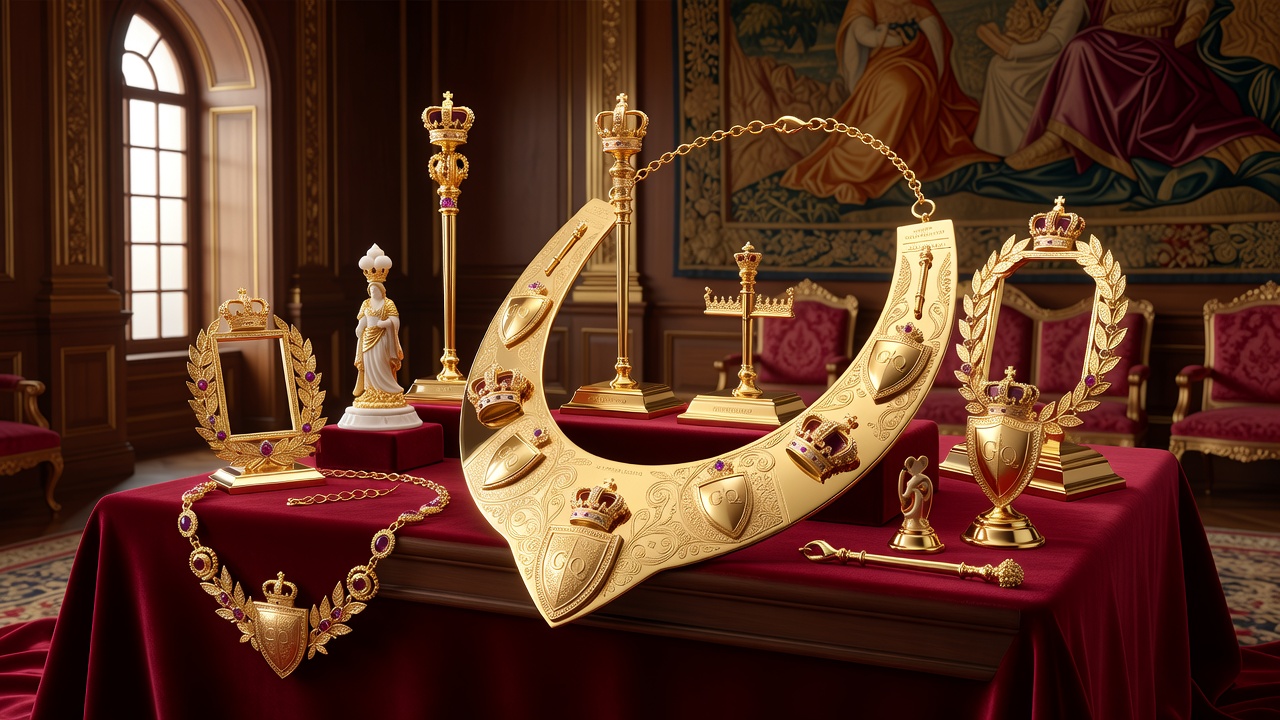
The Golden Queen motif draws from centuries of royal iconography - crowns, scepters, brocade patterns, and heraldic symmetry. Designers borrow these cues because they carry instant recognition. A viewer does not need an art history background to associate gold tones and crown silhouettes with authority and refinement. This visual shorthand is why the theme appears in jewelry lines, home décor, and entertainment products alike.
Why the Name Carries Weight
Names built around royalty imply exclusivity. Buyers expect materials and finishes that match that expectation. When a product falls short of that promise - thin plating, mismatched color tones, flimsy construction - the gap between name and reality becomes obvious quickly. That expectation gap is precisely why understanding golden queen specifications matters more than admiring a product photo.
Where You Will Encounter the Theme
- Fine jewelry and statement accessories
- Home décor pieces such as figurines, frames, and tableware
- Textile and fashion collections featuring gold embroidery
- Entertainment and gaming products using royal visual themes
Golden Queen Features That Define the Product
The features that distinguish a well-made piece from a generic one usually come down to material integrity, finish quality, and structural details that are easy to overlook at first glance.
Core Material Composition
Most items in this category rely on a base metal - brass, zinc alloy, or stainless steel - finished with a gold layer applied through plating or vermeil techniques. The thickness and method of that gold layer determine longevity far more than the base metal choice itself. Thicker plating resists tarnish and scratching considerably longer than a thin flash coat.
Finish and Texture Details
High-quality pieces distinguish themselves through texture work: hand-etched patterns, raised filigree, or matte-and-gloss contrast that catches light differently depending on the angle. These details take longer to produce and cost more, but they are what separate an item that looks flat in photos from one that looks dimensional in hand.
Functional Add-Ons
Depending on the product type, functional features might include adjustable clasps, protective coatings, weighted bases for stability, or reinforced stitching on fabric elements. These are the practical touches that determine whether golden queen features hold up under daily handling rather than just display conditions.
Royal Golden Queen Design Elements
Design is where craftsmanship becomes visible. The choices made here signal whether a manufacturer understood the theme or simply applied gold color to an existing template.
Symmetry and Proportion
Royal design language relies heavily on balance. Crowns, medallions, and ornamental borders typically follow strict symmetry because asymmetry reads as careless in this visual tradition. Pieces that deviate from symmetry intentionally - for a modern twist - usually signal that clearly rather than leaving it ambiguous.
Color Palette Choices
Authentic royal golden queen design rarely relies on gold alone. Deep reds, rich purples, and ivory whites frequently appear as complementary tones, echoing the fabrics and gemstones historically associated with monarchy. A product using gold in isolation, without these supporting tones, often looks one-dimensional by comparison.
Ornamental Motifs
Crown shapes, scepter lines, laurel wreaths, and heraldic shields recur across this design category. These motifs are not filler decoration - they carry symbolic weight that experienced designers place deliberately rather than scattering randomly across a surface.
Elegant Golden Queen Style in Everyday Use
Design on paper is one thing; how a piece performs in daily life is another. This section addresses practical style considerations for people who intend to actually use, wear, or display the item rather than keep it packaged.
Pairing with Existing Décor or Wardrobe
Because the aesthetic leans toward maximalism, pieces styled in this direction work best against neutral or muted backdrops. A room already full of ornate detail can feel cluttered when a heavily embellished piece is added; a clean, simple setting lets the design breathe.
Versatility Across Occasions
Elegant golden queen style tends to skew formal, but well-designed pieces often include restrained variants - smaller scale, simpler motifs - meant for daily wear or casual display. Buyers should check whether a product line offers this range before assuming every item is suited only to special occasions.
Maintenance Requirements for Lasting Style
Gold finishes react to moisture, skin oils, and abrasive cleaning agents. Gentle cloth cleaning and dry storage extend the life of the finish considerably. Style fades fastest not from age but from improper care in the first few months of ownership.
Golden Queen Specifications Buyers Should Check
Specifications are where marketing language ends and measurable fact begins. This is the section that matters most for anyone comparing multiple listings before a purchase.
Material and Plating Details
Look for explicit statements about base metal type and plating thickness, usually listed in microns for jewelry or coating layers for décor items. Vague terms like "gold-tone" without further detail often indicate a thin, short-lived finish.
Dimensions and Weight
Weight is a practical indicator of solidity. A piece that feels unexpectedly light for its size often uses hollow construction or lower-density materials. Listed dimensions should always be checked against your intended use case - a decorative piece scaled for a mantel will look lost on a small shelf.
Certifications and Quality Marks
Reputable jewelry pieces often carry hallmark stamps indicating metal purity. Décor items may reference finish durability testing. These marks are not decorative; they are the closest thing to a verifiable guarantee a buyer gets before purchase.
- Base metal and plating thickness
- Overall weight and dimensions
- Hallmark or quality certification, where applicable
- Care instructions provided by the manufacturer
Golden Queen Product Details Worth Comparing
With the theory and specifications covered, this section focuses on the practical comparison points that separate a satisfying purchase from a disappointing one.
Manufacturer Transparency
Sellers who provide full golden queen product details - material breakdown, dimensions, care instructions, and warranty terms - generally stand behind their construction quality. Listings that rely purely on styled photography without technical detail deserve closer scrutiny.
Warranty and Return Policies
Plated finishes are not indestructible, and reasonable manufacturers acknowledge this through warranty terms covering discoloration or wear within a defined period. The absence of any such policy is itself informative.
Price-to-Craftsmanship Ratio
Price alone tells you little without context. A modestly priced item with honest, limited plating and clear specifications can be a better purchase than an expensive one hiding vague material descriptions behind elaborate marketing language.
Frequently Asked Questions
How can I tell if the gold finish is real plating rather than paint?
Genuine plating has a metallic sheen that shifts subtly with light and feels slightly cool to the touch, similar to other metals. Painted finishes often look uniformly flat and can chip in small flakes rather than wearing evenly. Checking the listing for plating thickness in microns is the most reliable way to confirm authenticity before buying.
Does a heavier item always mean better quality?
Not necessarily, but unexpected lightness is a warning sign. Weight should match the stated materials and dimensions; if a piece marketed as solid metal feels hollow, that mismatch is worth questioning directly with the seller.
How often should gold-finished pieces be cleaned?
A soft cloth wipe every few weeks, combined with dry storage away from direct sunlight and moisture, is usually sufficient. Avoid ultrasonic cleaners or abrasive polishes unless the manufacturer explicitly states the finish can tolerate them.
Are smaller, simplified pieces less authentic to the design theme?
No. Scaled-down versions with fewer motifs still reflect the same design principles - symmetry, proportion, and color choice - just applied with restraint. Authenticity comes from design consistency, not from the amount of ornamentation.
What is the biggest mistake buyers make when shopping in this category?
Judging quality primarily from photographs. Lighting and staging can make thin plating and low-density materials look substantial. Reading the listed specifications and material breakdown before purchase avoids most disappointment.
Can these design principles apply outside jewelry and décor?
Yes. The same visual language of crowns, symmetry, and gold-dominant palettes appears in fashion, textiles, and even entertainment products, since the underlying appeal - a sense of authority and refinement - is not tied to any single product category.